Your sewage system works quietly in the background, managing all the wastewater that leaves your home. Whether you rely on a septic tank, sewage treatment plant, or pump station, it’s one of the most essential systems on your property — yet it’s often the most overlooked.
Just like a car, your sewage system needs regular servicing to keep it operating efficiently and to prevent expensive, messy, or environmentally damaging problems. Professional servicing isn’t just a routine check-up; it’s a crucial step in protecting your property, your health, and your investment.
In this article, the experts at IHS Systems explain the five biggest benefits of professional sewage system servicing and why it’s vital for any home or business that uses a private wastewater system.
1. Preventing Costly Breakdowns and Repairs
One of the most important reasons to have your sewage system serviced regularly is to catch problems early before they become expensive repairs.
Over time, solids, grease, and sludge can build up inside your tank or treatment plant. If these materials aren’t removed or managed properly, they can clog pipes, damage pumps, or cause the system to overflow.
How Servicing Helps
During a professional service, an engineer will:
-
Inspect the tank, pumps, and filters for signs of wear or damage.
-
Check electrical and mechanical components to ensure everything is running smoothly.
-
Measure sludge levels and advise when emptying is required.
By identifying issues such as worn seals, blocked air pumps, or damaged pipework early, you can avoid costly emergency callouts and prevent system failure.
Long-Term Savings
Regular servicing is a small, predictable expense that can save thousands in the long run. Replacing a damaged drainage field or treatment plant due to neglect can easily cost several thousand pounds — far more than annual maintenance.
2. Extending the Life of Your Sewage System
A well-maintained sewage system can last decades. But without servicing, components like pumps, compressors, and aerators wear out much faster due to sludge buildup, unbalanced bacteria levels, or lack of oxygen flow.
How Servicing Extends Lifespan
Professional engineers perform essential tasks such as:
-
Cleaning and inspecting air diffusers and blowers.
-
Checking the biological balance inside treatment plants.
-
Ensuring inlet and outlet pipes are clear and undamaged.
This proactive care keeps your system running efficiently, reducing strain on mechanical parts and maintaining optimal biological treatment performance.
The Result
Regular servicing can add years to your system’s lifespan — delaying the need for costly replacements and ensuring continuous, reliable wastewater treatment.
3. Protecting the Environment
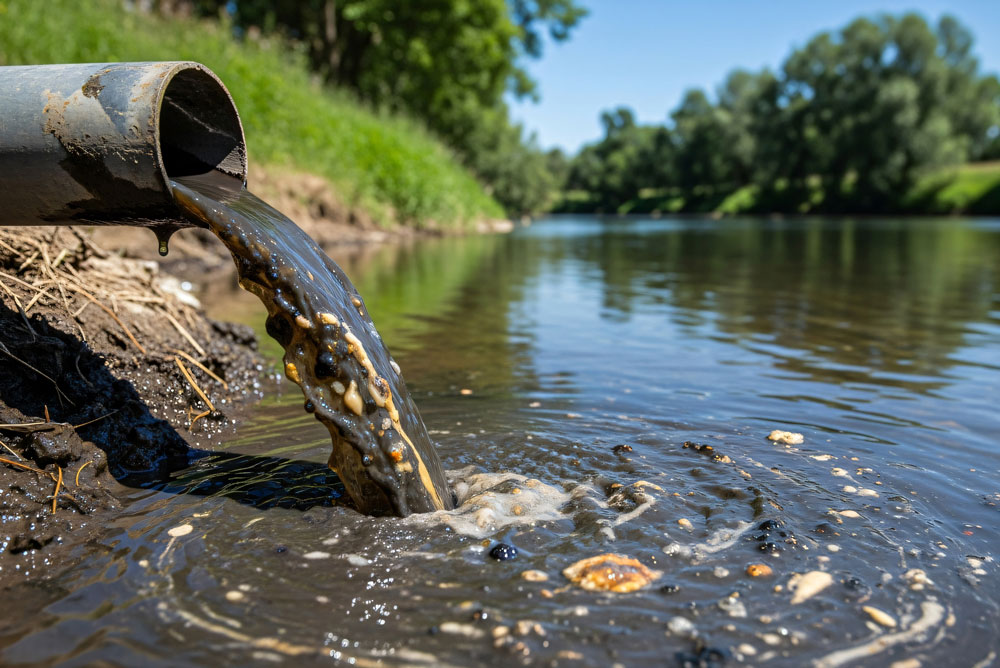
Your sewage system is designed to safely treat and disperse wastewater, keeping harmful contaminants out of the environment. But when it’s not maintained properly, untreated or partially treated effluent can leak into the ground, polluting soil, groundwater, and nearby watercourses.
The Environmental Risks of Poor Maintenance
-
Overflowing tanks can release raw sewage into gardens or ditches.
-
Clogged drainage fields can allow pollutants to reach water sources.
-
Unbalanced systems may produce foul odours or harmful bacteria.
How Professional Servicing Helps
A professional engineer will test the system’s performance, ensure that effluent leaving the plant is properly treated, and verify that all components are functioning correctly.
At IHS Systems, we ensure every serviced system operates within Environment Agency General Binding Rules, helping you stay compliant and environmentally responsible.
Peace of Mind
Knowing your system is clean, safe, and legally compliant means you can rest easy knowing your home isn’t contributing to pollution or environmental damage.
4. Ensuring Compliance with Regulations
Since 2020, stricter UK Environment Agency regulations have been in place for domestic sewage treatment systems. The General Binding Rules outline how sewage must be treated and discharged to protect the environment.
Failing to comply with these rules can lead to fines, enforcement action, or even legal responsibility for pollution.
How Servicing Keeps You Compliant
Professional servicing provides documentation and inspection records to show that your system is functioning correctly. Engineers can also identify non-compliant systems — for example:
-
Septic tanks discharging directly to surface water.
-
Damaged or undersized drainage fields.
-
Treatment plants not meeting discharge quality standards.
Regular servicing ensures your system continues to meet legal and environmental requirements, avoiding potential penalties or costly system upgrades later on.
Future-Proofing Your Property
If you ever plan to sell your home, a well-maintained and fully compliant sewage system adds value and avoids legal complications during conveyancing.
5. Preventing Health Hazards and Unpleasant Odours
Poorly maintained sewage systems can create unsanitary conditions and unpleasant smells that affect your home and health.
When a system fails, untreated sewage can back up into drains or leach into the surrounding ground. This exposes residents and pets to harmful bacteria, viruses, and parasites.
Signs of Poor Maintenance
-
Persistent foul smells near the tank or soakaway.
-
Slow drainage inside the home.
-
Gurgling noises from toilets or sinks.
-
Wet or discoloured patches of ground near the system.
How Professional Servicing Helps
During servicing, engineers inspect the system for leaks, blockages, and odour sources. They also check ventilation, pump operation, and biological treatment performance.
By keeping your system in good working order, you prevent the unpleasant side effects of failure and maintain a safe, healthy environment for your family and neighbours.
How Often Should a Sewage System Be Serviced?
The frequency of servicing depends on the type of system you have:
-
Sewage Treatment Plants: Usually require annual servicing by a qualified engineer.
-
Septic Tanks: Should be emptied every 12–18 months and inspected regularly.
-
Pump Stations: May need biannual checks if used heavily or serving multiple properties.
It’s always best to follow the manufacturer’s recommendations — but having a professional inspection once a year is a sensible rule of thumb for most systems.
At IHS Systems, our experienced engineers provide tailored maintenance schedules to suit your system’s size, usage, and local conditions.
Why Choose IHS Systems for Servicing
With over 20 years of experience in sewage and wastewater management, IHS Systems are specialists in the servicing, repair, and installation of:
-
Sewage treatment plants
-
Septic tanks
-
Pump stations
-
Drainage fields
Our engineers are fully trained, compliant with UK regulations, and committed to providing a reliable, professional service. We use advanced diagnostic tools to identify issues early and ensure every system performs safely and efficiently.
Whether you own a single domestic property or manage multiple sites, we’ll help you maintain your wastewater system for years of trouble-free operation.
In Summary
Professional sewage system servicing isn’t just routine maintenance — it’s essential protection for your home, your wallet, and the environment.
Let’s recap the five key benefits:
-
Prevents costly breakdowns and repairs.
-
Extends your system’s lifespan.
-
Protects the environment.
-
Ensures compliance with UK regulations.
-
Prevents health hazards and unpleasant odours.
Regular, professional servicing keeps your sewage system working efficiently and legally, saving you time, money, and stress.
Need Expert Servicing? Contact IHS Systems Today
At IHS Systems, we offer reliable servicing and maintenance for all types of sewage and wastewater systems across Oxford and surrounding areas.
Our friendly team can arrange routine visits, emergency repairs, or full inspections to ensure your system stays in peak condition.
Get in touch today to schedule your next service or request a free, no-obligation quote.