Living in the countryside comes with many advantages — peace, space, and a close connection to nature. But rural homes often face one particular challenge: managing wastewater responsibly. Without access to mains sewer networks, most rural properties rely on private sewage systems, such as septic tanks, sewage treatment plants, or drainage fields.
In recent years, environmental awareness and stricter UK regulations have made eco-friendly wastewater solutions more important than ever. Efficient, sustainable systems not only protect your land and local watercourses but can also save you money and future-proof your property.
In this article, the experts at IHS Systems explain how rural homeowners can manage wastewater safely, efficiently, and in harmony with the environment.
Understanding Rural Wastewater Systems
Before exploring eco-friendly solutions, it helps to understand how rural wastewater systems work.
A private sewage system typically includes three main components:
-
Collection: Wastewater from sinks, toilets, and appliances flows into a septic tank or sewage treatment plant.
-
Treatment: Solids settle at the bottom of the tank while bacteria naturally break down organic matter. In a treatment plant, mechanical and biological processes further clean the water.
-
Discharge: Treated water is safely dispersed into the ground through a drainage field (soakaway) or, in some cases, discharged to a watercourse (if compliant with Environment Agency rules).
When properly designed and maintained, these systems can operate for decades with minimal environmental impact. The key is ensuring your system is efficient, compliant, and environmentally sustainable.
Why Eco-Friendly Wastewater Management Matters
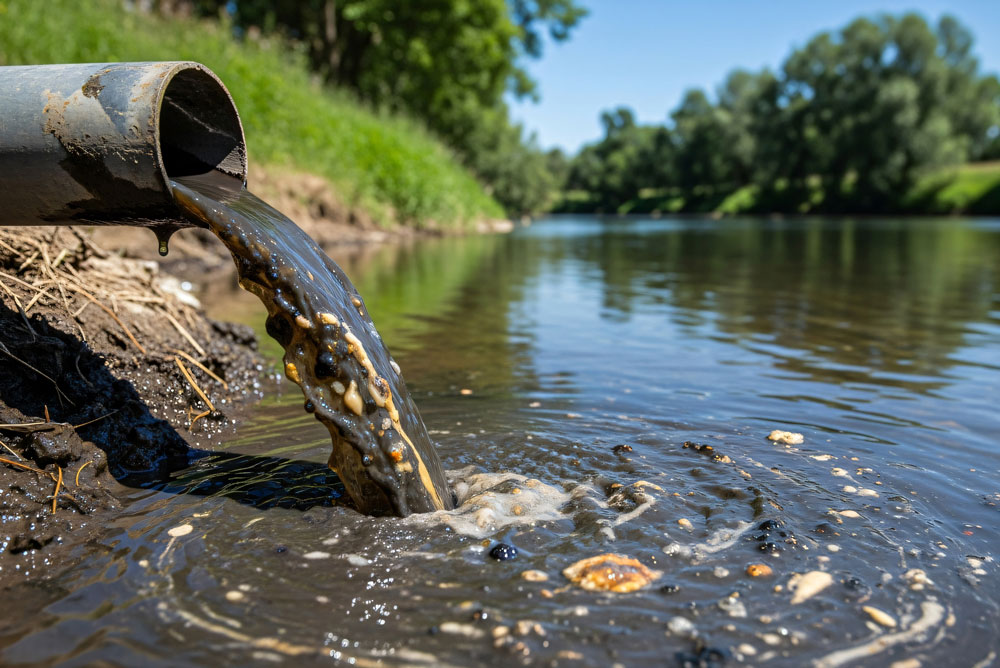
Older systems, especially traditional septic tanks, can leak, overflow, or release partially treated effluent. This can lead to soil and groundwater pollution, bad odours, and even regulatory breaches.
Eco-friendly wastewater systems, on the other hand, are designed to:
-
Reduce energy and water usage
-
Protect local ecosystems
-
Minimise harmful discharge
-
Operate efficiently with less maintenance
By investing in modern, sustainable solutions, homeowners not only meet environmental standards but also enjoy lower long-term costs and a cleaner, safer living environment.
1. Modern Sewage Treatment Plants
Modern sewage treatment plants are one of the most eco-friendly wastewater options for rural homes. Unlike older septic tanks, these systems treat wastewater to a much higher standard using aerobic biological processes.
How They Work
-
Wastewater enters a primary chamber where solids settle.
-
Air is pumped into the system to encourage the growth of bacteria that break down organic waste.
-
The final chamber releases treated water that is up to 95% clean, suitable for safe dispersal.
Environmental Benefits
-
Greatly reduces pollution compared to septic tanks.
-
Complies with Environment Agency General Binding Rules.
-
Consumes minimal electricity and produces little to no odour.
With proper servicing (typically once a year), a treatment plant can last over 20 years while providing efficient, environmentally friendly wastewater management.
2. Reed Beds and Natural Filtration Systems
For those seeking a truly natural approach, reed bed systems (also known as constructed wetlands) offer a sustainable and visually appealing solution.
How They Work
Reed beds use layers of gravel, soil, and plants to naturally filter effluent from a treatment plant or septic tank. Microorganisms living among the plant roots help remove contaminants and nutrients, purifying the water before it re-enters the soil.
Environmental Benefits
-
100% natural filtration — no chemicals or machinery required.
-
Provides habitats for birds, insects, and wildlife.
-
Helps remove nitrates and phosphates, protecting local watercourses.
While reed beds require space and good soil conditions, they’re ideal for environmentally conscious rural homeowners seeking a long-term, self-sustaining system.
3. Efficient Drainage Fields and Soakaways
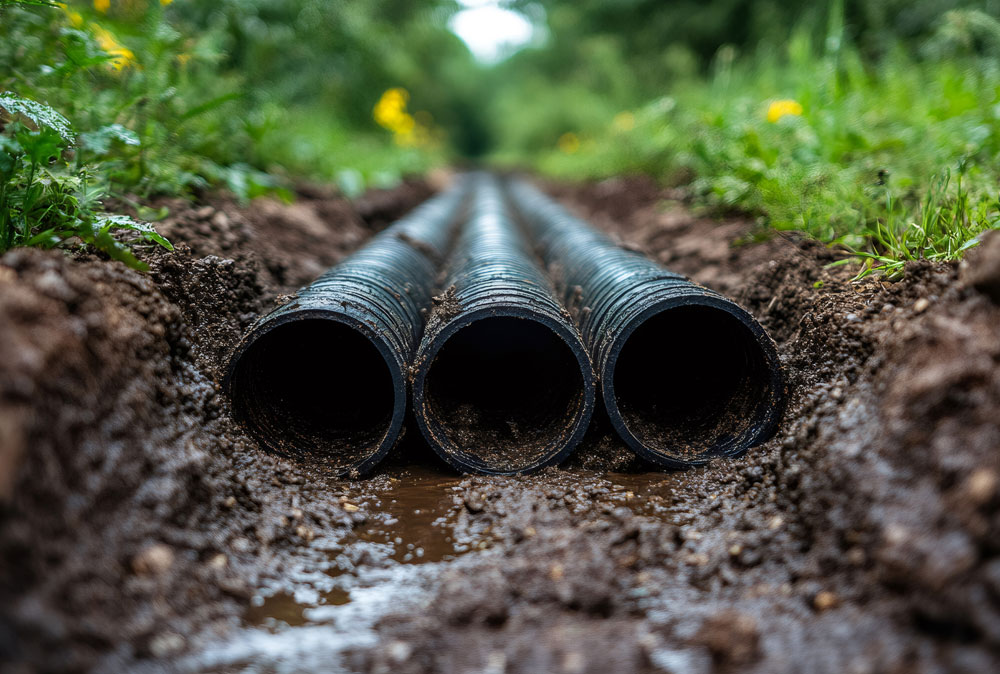
Even the most advanced treatment system depends on an effective drainage field. An eco-friendly soakaway design ensures that treated water is evenly distributed into the soil without causing saturation or pollution.
Eco-Friendly Design Tips
-
Use permeable, well-draining soil to promote natural filtration.
-
Size the soakaway according to household water usage and ground percolation tests.
-
Avoid driving or building over the drainage area to prevent soil compaction.
Long-Term Benefits
A properly designed drainage field can last 15–25 years or more. Regular inspections and maintenance keep it performing efficiently, reducing the risk of costly failures and environmental harm.
4. Rainwater Harvesting and Greywater Recycling
Reducing the volume of water entering your wastewater system is another powerful way to make your home more eco-friendly.
Rainwater Harvesting
By collecting and storing rainwater from your roof, you can reuse it for:
-
Garden irrigation
-
Toilet flushing
-
Vehicle washing
This not only conserves water but also reduces load on your treatment system.
Greywater Recycling
Greywater systems collect lightly used water from baths, showers, and sinks. After filtration, it can be reused for non-drinking purposes. By separating greywater from blackwater (toilet waste), you reduce the burden on your sewage system — extending its life and cutting costs.
5. Regular Servicing and Maintenance
Even the most eco-friendly wastewater system needs regular care. Neglected systems can leak, overflow, or become inefficient — undermining their environmental benefits.
At IHS Systems, we recommend:
-
Annual servicing of sewage treatment plants
-
Regular desludging of septic tanks (usually every 12–18 months)
-
Periodic inspection of drainage fields and pipework
Proper maintenance ensures your system continues to run cleanly, efficiently, and safely. It’s also a requirement for compliance with the Environment Agency’s General Binding Rules.
6. Choosing Sustainable Materials and Energy Sources
Sustainability isn’t just about wastewater treatment — it’s about the materials and energy your system uses.
Modern treatment plants use energy-efficient pumps and blowers, and many homeowners now pair them with solar panels or low-energy controls to reduce running costs.
Opting for durable, recyclable materials such as HDPE tanks and stainless-steel fittings also minimises long-term waste and environmental impact.
7. Upgrading Old Septic Systems
If your property still relies on an old septic tank, upgrading to a modern treatment plant or installing a new drainage field can significantly improve performance and compliance.
From 2020 onward, the Environment Agency banned direct discharge from septic tanks to surface water. Many older systems now need replacement or modification to meet legal and environmental standards.
Upgrading brings immediate benefits:
-
Cleaner, odour-free discharge
-
Reduced pollution risk
-
Lower maintenance and pumping costs
-
Full regulatory compliance
Partnering with Experts in Sustainable Wastewater Systems
Choosing the right eco-friendly wastewater solution requires expert design, installation, and maintenance. Every property is different — from soil type and groundwater levels to household size and location.
That’s where IHS Systems can help.
With over 20 years of experience in sewage and wastewater management, we specialise in:
-
Designing and installing modern, energy-efficient sewage treatment systems
-
Creating bespoke drainage fields and soakaway solutions
-
Maintaining and upgrading existing systems for improved efficiency
-
Ensuring full compliance with UK environmental regulations
Our focus is on long-term reliability and environmental protection, helping rural homeowners manage wastewater safely and sustainably.
In Summary
Eco-friendly wastewater management is essential for rural living. By investing in modern treatment systems, natural filtration methods, and regular servicing, you can protect your land, your home, and the environment.
Whether you’re upgrading an old septic tank, installing a new soakaway, or simply seeking advice, IHS Systems can provide the expertise you need.
Contact our friendly team today to learn how we can design a sustainable wastewater solution that’s efficient, compliant, and built to last.