Your home’s sewage system might be out of sight, but it should never be out of mind. When properly maintained, a sewage treatment plant or septic tank quietly manages wastewater, keeping your property and the surrounding environment safe.
However, when maintenance is neglected, the results can be serious — not just for your home, but for the wider environment. Poor sewage system maintenance can pollute waterways, damage ecosystems, and even breach environmental laws.
In this post, the experts at IHS Systems explain the environmental impact of poor sewage maintenance, why it happens, and what you can do to prevent it.
Understanding How Sewage Systems Work
Before looking at the consequences of poor maintenance, it’s important to understand how private sewage systems function.
A typical system — such as a septic tank or sewage treatment plant — is designed to collect and treat wastewater from your home.
-
Collection: Wastewater from toilets, sinks, and appliances flows into a tank or treatment unit.
-
Separation: Solids settle at the bottom, forming sludge, while lighter materials float to the top as scum.
-
Treatment: In sewage treatment plants, air and bacteria help break down organic waste, cleaning the water to a safe standard.
-
Discharge: Treated water is released into the ground via a drainage field or occasionally to a watercourse (if permitted).
When each stage functions properly, wastewater is safely processed without harming the environment. Problems arise when the system isn’t inspected, serviced, or emptied regularly — leading to overflows, contamination, and pollution.
1. Groundwater Contamination
One of the most significant environmental risks of poor sewage maintenance is groundwater pollution.
If sludge and solids are allowed to build up inside your tank, they can overflow into the drainage field. This clogs the soil, preventing proper filtration and allowing untreated effluent to seep into the ground.
Why This Matters
Groundwater is a vital source of drinking water for many rural communities. Contamination introduces harmful bacteria, viruses, and chemicals that can make water unsafe for human and animal consumption.
The Consequences
-
Spread of waterborne diseases like E. coli and salmonella.
-
Contamination of nearby wells or boreholes.
-
Long-term soil degradation that prevents natural filtration.
Prevention
Regular maintenance and timely emptying of your tank prevent solid buildup. Annual inspections ensure your system continues to operate efficiently, protecting the soil and water beneath your property.
2. Surface Water Pollution
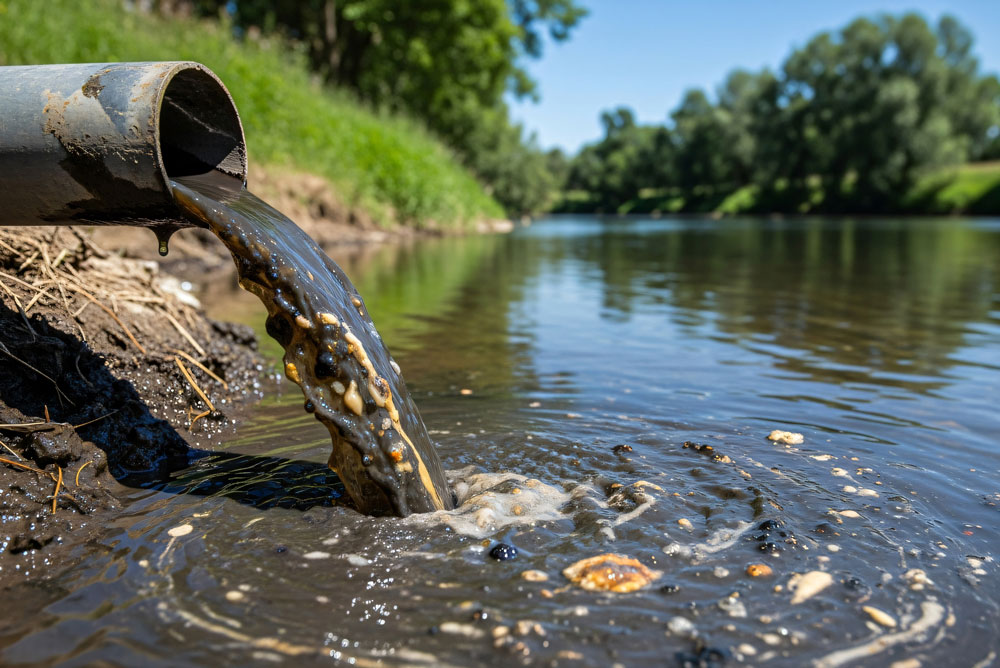
Another major consequence of neglected sewage systems is surface water contamination — affecting streams, ditches, and rivers near your home.
When untreated or partially treated effluent escapes, it can reach local watercourses, introducing excessive nutrients like nitrogen and phosphorus. These nutrients encourage rapid algae growth, leading to eutrophication — a process that depletes oxygen in the water.
Environmental Impact
-
Fish and aquatic life die due to lack of oxygen.
-
Algae blooms block sunlight, destroying plant life and biodiversity.
-
Water quality deteriorates, affecting nearby farms and wildlife.
Legal Implications
Under the Environment Agency’s General Binding Rules, it’s illegal to discharge untreated wastewater into surface water. Failure to maintain your system could make you legally responsible for pollution incidents — with potential fines and enforcement action.
3. Soil Degradation and Loss of Natural Filtration
Healthy soil plays a key role in wastewater treatment, acting as a natural filter that removes harmful bacteria and nutrients.
When sewage systems aren’t maintained, the drainage field can become saturated with grease, sludge, and solids. This blocks the soil’s pores, reducing its ability to absorb water.
The Result
-
Persistent surface flooding and standing water.
-
Foul odours and soggy ground around the drainage area.
-
Loss of soil’s natural microbial activity and fertility.
Once a drainage field becomes saturated, it’s often beyond repair — requiring costly excavation and replacement. Regular maintenance helps avoid this by keeping solids within the tank, not in the soil.
4. Harm to Wildlife and Ecosystems
Polluted water doesn’t just affect humans — it has a devastating impact on wildlife and ecosystems.
Leaking or overflowing sewage systems introduce toxins, ammonia, and harmful bacteria into natural habitats. Birds, fish, amphibians, and small mammals that rely on clean water sources can suffer illness or death as a result.
Knock-On Effects
-
Disruption of food chains as aquatic species decline.
-
Spread of disease among livestock and pets.
-
Long-term ecosystem imbalance, reducing biodiversity in rural areas.
Even small-scale pollution can have widespread effects — especially in sensitive environments like streams, wetlands, and conservation areas.
5. Air and Odour Pollution
Poorly maintained sewage systems also release methane, hydrogen sulphide, and ammonia gases, which contribute to air pollution and unpleasant odours.
While these smells are unpleasant for homeowners and neighbours, they also signal an underlying issue — usually anaerobic (oxygen-starved) conditions within the tank.
Environmental Concerns
-
Methane is a potent greenhouse gas that contributes to climate change.
-
Hydrogen sulphide is toxic to plants and animals in high concentrations.
-
Persistent odours indicate poor treatment efficiency and bacterial imbalance.
Routine servicing restores the correct oxygen balance in treatment plants, ensuring gases are safely vented and the system remains odour-free and efficient.
6. Legal and Financial Consequences
Environmental pollution from poor sewage maintenance isn’t just harmful — it’s also illegal.
The Environment Agency can issue fines or require expensive remediation work if your system is found to cause pollution. In severe cases, property owners may even be prosecuted for breaching environmental protection laws.
Beyond the legal implications, neglected systems often require full replacement — a process that can cost several thousand pounds.
Regular Servicing Avoids This
By scheduling annual servicing and emptying, you ensure:
-
Compliance with UK environmental regulations.
-
Early detection of faults or leaks.
-
Peace of mind knowing your system is operating safely.
7. Positive Environmental Impact of Proper Maintenance
The good news is that maintaining your sewage system properly has a powerful positive effect on the environment.
When serviced regularly by professionals such as IHS Systems, your system:
-
Efficiently treats wastewater to a safe standard.
-
Keeps harmful pollutants out of soil and rivers.
-
Reduces carbon emissions through optimal operation.
-
Supports sustainable, long-term wastewater management.
It’s one of the simplest and most effective ways rural homeowners can contribute to environmental protection.
How IHS Systems Can Help
At IHS Systems, we specialise in the servicing, repair, and installation of:
-
Sewage treatment plants
-
Septic tanks
-
Pump stations
-
Drainage fields
With over 20 years of experience, we help homeowners across Oxford and surrounding areas maintain safe, efficient, and fully compliant wastewater systems.
Our professional servicing includes:
-
System inspection and performance checks
-
Sludge level monitoring
-
Component cleaning and replacement
-
Compliance verification with current regulations
We take pride in delivering reliable, environmentally responsible solutions that protect both your property and the planet.
In Summary
Poor sewage system maintenance doesn’t just lead to bad smells and slow drains — it can have severe environmental consequences, including:
-
Groundwater and surface water pollution
-
Soil degradation
-
Wildlife harm
-
Greenhouse gas emissions
-
Legal penalties and costly repairs
The solution is simple: regular, professional maintenance.
By keeping your sewage system in good working order, you’ll safeguard your property, protect the environment, and ensure compliance with all UK wastewater regulations.
Protect Your Home and the Environment with IHS Systems
If you suspect your sewage system needs attention — or if it’s been more than a year since your last service — now is the time to act.
Contact IHS Systems today for expert servicing, maintenance, or inspection.
Our experienced engineers will ensure your system runs cleanly, efficiently, and safely — protecting both your property and the world around you.
Get in touch today to arrange your next service or request a free quote.