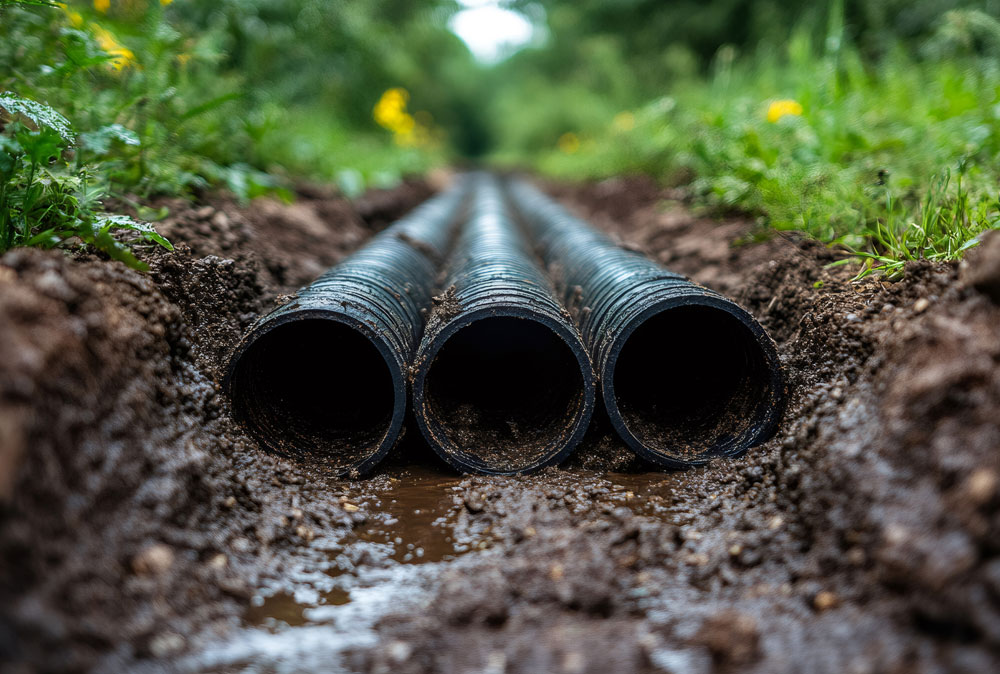
If your property uses a private sewage treatment system, your drainage field (also known as a soakaway) plays a vital role in safely dispersing treated wastewater into the surrounding soil. It’s designed to filter and naturally treat effluent after it leaves your sewage treatment plant or septic tank.
However, like any underground system, a drainage field doesn’t last forever. Over time, it can become saturated, blocked, or damaged—causing unpleasant odours, slow drainage, and even pollution risks. Recognising the early signs of drainage field failure can help you avoid costly repairs and protect your property and the environment.
Below, the experts at IHS Systems outline the most common warning signs your drainage field could be failing, what causes these problems, and what you can do about them.
1. Slow Draining Toilets, Sinks, or Showers
One of the earliest and most noticeable signs of a failing drainage field is slow drainage inside your property. If your toilets gurgle or water takes longer than usual to drain away, it could mean the soakaway pipes are becoming clogged or the soil is no longer absorbing wastewater effectively.
While occasional slow drainage can have other causes (like a localised blockage), persistent sluggishness throughout the property often points to a deeper issue with the drainage field’s ability to disperse water.
2. Bad Odours Around the Soakaway Area
Unpleasant smells outdoors—particularly near the drainage field or tank cover—are a red flag. These odours occur when wastewater starts pooling instead of being absorbed and treated by the soil.
A properly functioning drainage field should not emit any noticeable smell. If you detect strong, sewage-like odours, it may indicate:
-
Blocked or broken soakaway pipes
-
Overloaded system capacity
-
Anaerobic conditions (lack of oxygen preventing natural filtration)
Ignoring odours can allow the problem to escalate, potentially leading to system backup or groundwater contamination.
3. Soggy, Wet, or Flooded Ground
One of the most visible signs of a failing drainage field is persistent wetness or standing water in the area where the system is buried. After heavy rain, it’s normal to see short-term surface moisture—but if the ground remains soggy long after rainfall, your soakaway may be saturated.
When the soil around the drainage field becomes waterlogged, it can no longer absorb effluent properly. You might notice:
-
Patches of unusually lush grass
-
Pools of water above the soakaway area
-
Mushy or uneven ground underfoot
This problem usually worsens over time and can lead to complete system failure if not addressed promptly.
4. Foul Smells or Gurgling Sounds Indoors
If your drainage field is failing, pressure can build up throughout the system, forcing gases back toward your home. You may notice gurgling noises from toilets or drains, or unpleasant odours indoors, especially in bathrooms or utility rooms.
These signs suggest wastewater is not flowing freely through the system and air is trapped within the pipes—a common symptom of a saturated or blocked soakaway.
5. Sewage Backing Up Into the Property
Perhaps the most serious warning sign is sewage backup. If wastewater begins to flow back through toilets, sinks, or drains, the drainage field may be completely blocked.
Backups often happen when:
-
The drainage field is full or waterlogged
-
Sludge has escaped from the septic tank or treatment plant into the soakaway
-
Tree roots have invaded and damaged the pipes
If this occurs, stop using water immediately and contact a professional. Continuing to use the system can cause flooding, contamination, and costly damage.
6. Rising Levels in the Sewage Treatment Plant or Septic Tank
If your system is fitted with a visual or audible alarm—or you’ve noticed rising water levels inside the tank—it may be due to a drainage field restriction.
When wastewater cannot escape into the soakaway, it backs up into the treatment plant or septic tank, causing high levels that trigger alarms or reduce treatment efficiency. Regular inspections during servicing can catch this issue before it becomes critical.
7. Pollution or Smells in Nearby Ditches or Watercourses
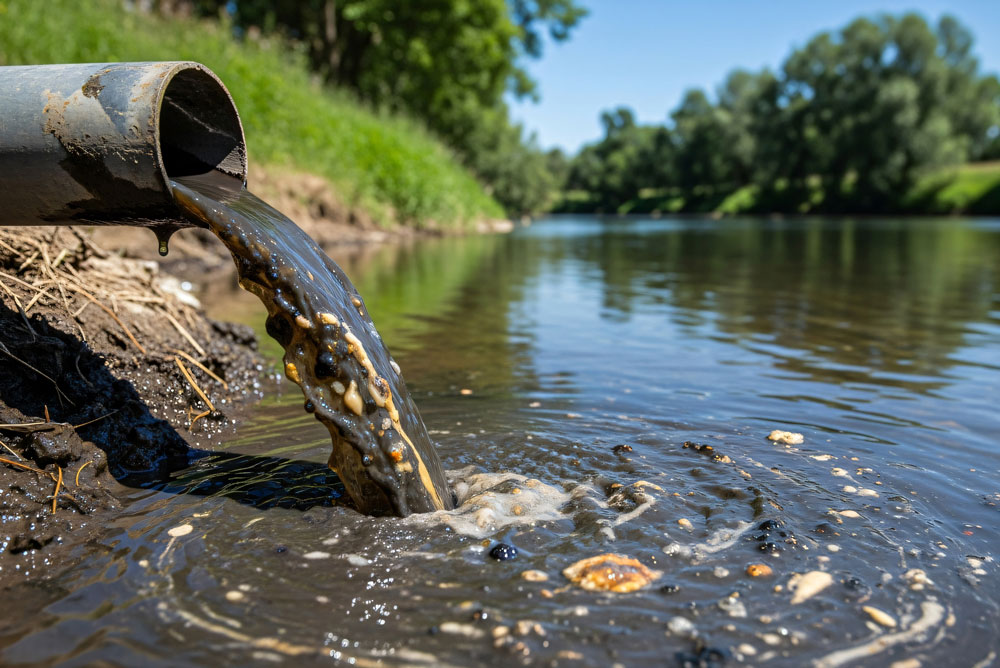
A failing drainage field can also cause pollution beyond your property. If you notice discoloured water, odours, or algae growth in nearby ditches or streams, untreated effluent could be escaping from the system.
Not only is this an environmental hazard—it may also breach UK Environment Agency regulations, potentially resulting in fines or enforcement action.
Why Drainage Fields Fail
Drainage fields generally last between 15 and 25 years, but their lifespan depends on several factors:
-
Poor design or installation: Incorrect sizing or unsuitable soil conditions can cause premature failure.
-
Lack of maintenance: Without regular tank emptying and servicing, solids and fats can clog the soakaway.
-
Overloading: Using more water than the system was designed for can overwhelm the soakaway.
-
Ground conditions: Heavy clay soils or high groundwater levels limit natural drainage.
-
Damage: Vehicle traffic or root intrusion can break or crush underground pipes.
Understanding these causes can help you take preventive action—like scheduling regular servicing and avoiding excess water use—to extend the life of your system.
What to Do If You Suspect Drainage Field Failure
If you’ve noticed one or more of these symptoms, it’s important to act quickly. Ignoring a failing drainage field can lead to system collapse, costly excavation, and even health or environmental hazards.
Here’s what you should do:
-
Contact a qualified wastewater engineer to assess the system.
-
Avoid heavy water use (laundry, showers, etc.) until the problem is diagnosed.
-
Never attempt to dig or repair the soakaway yourself—specialist inspection equipment is needed to locate and identify the fault.
-
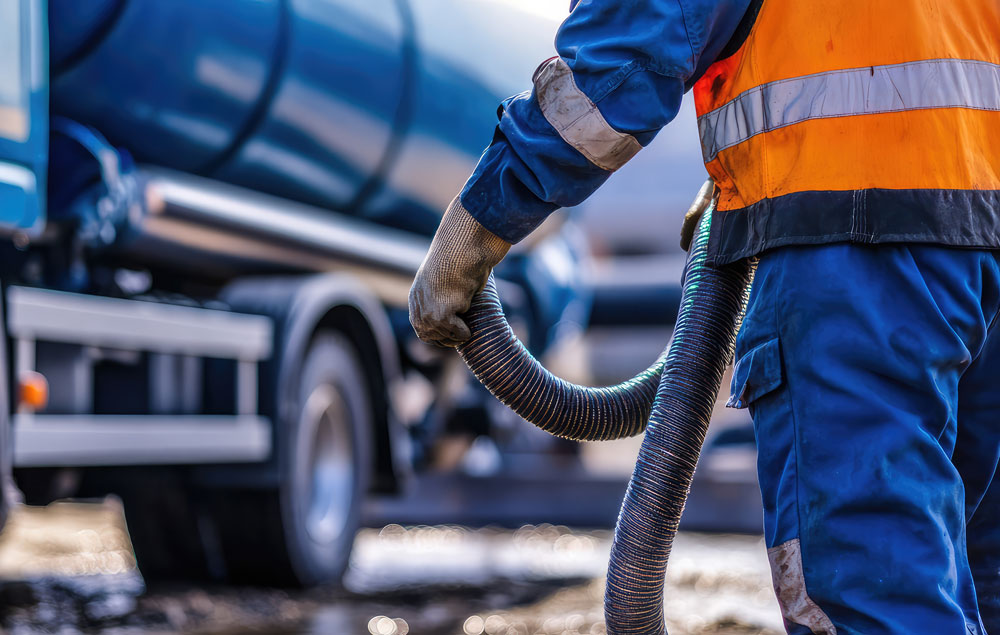
Arrange for a full service of your treatment plant or septic tank to rule out internal issues.
In some cases, a professional may recommend drainage field rejuvenation or a new soakaway installation that meets current environmental standards.
How IHS Systems Can Help
With over 20 years of experience in sewage and wastewater management, IHS Systems are specialists in diagnosing, repairing, and replacing failing drainage fields across Oxford and surrounding areas.
Our expert engineers can:
-
Carry out full system inspections and soakaway performance tests
-
Advise on the best repair or replacement options
-
Install fully compliant drainage fields and treatment systems
-
Ensure your setup meets Environment Agency General Binding Rules
We take pride in delivering efficient, long-lasting solutions that keep your property safe and environmentally responsible.
In Summary
A failing drainage field can cause serious disruption, damage, and pollution—but the warning signs are often clear if you know what to look for.
If you notice slow drains, bad odours, soggy ground, or system alarms, don’t ignore them. Contact the professionals at IHS Systems for expert advice, inspection, and repair.
Keeping your sewage system healthy protects your property, your pocket, and the environment for years to come.